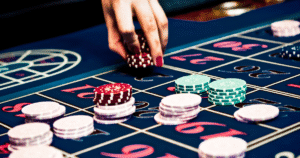
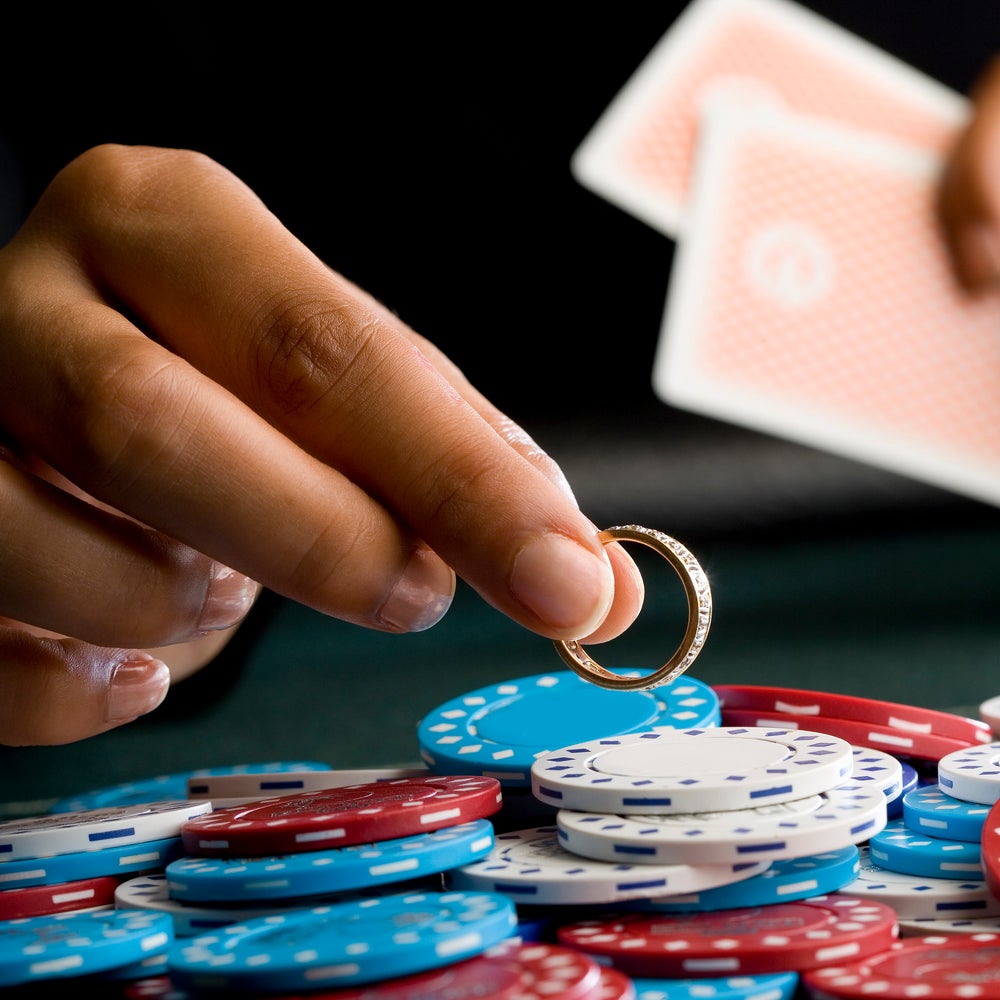
Have you ever felt the intense thrill just seconds before the roulette wheel stops or the slot machine reels align? That moment—pulsing with suspense—isn’t just luck or entertainment; it’s deeply tied to how our brains work. At the heart of it all lies the fascinating psychology of gambling. In this in-depth guide, we dive into why people gamble, the neurological triggers behind it, and what it really takes to play smart and win. Whether you’re a casual bettor or a serious strategist, understanding these psychological forces can be the key to a more rewarding and responsible casino experience. For a premium platform that blends excitement with security, explore PHTAYA – your trusted casino destination.
The Psychology Behind Gambling: Why Do We Play?
The Thrill of Uncertainty
Gambling’s core allure lies in its unpredictable outcomes. The brain releases dopamine—a pleasure-inducing neurotransmitter—not only when players win, but also during near-misses or suspenseful moments. This spike in dopamine, even when outcomes are unknown, keeps us hooked. According to researchers, this phenomenon makes people return again and again to the gaming floor. Parang rollercoaster—hindi mo alam kung kailan ka babagsak, but you love the ride.
Illusion of Control
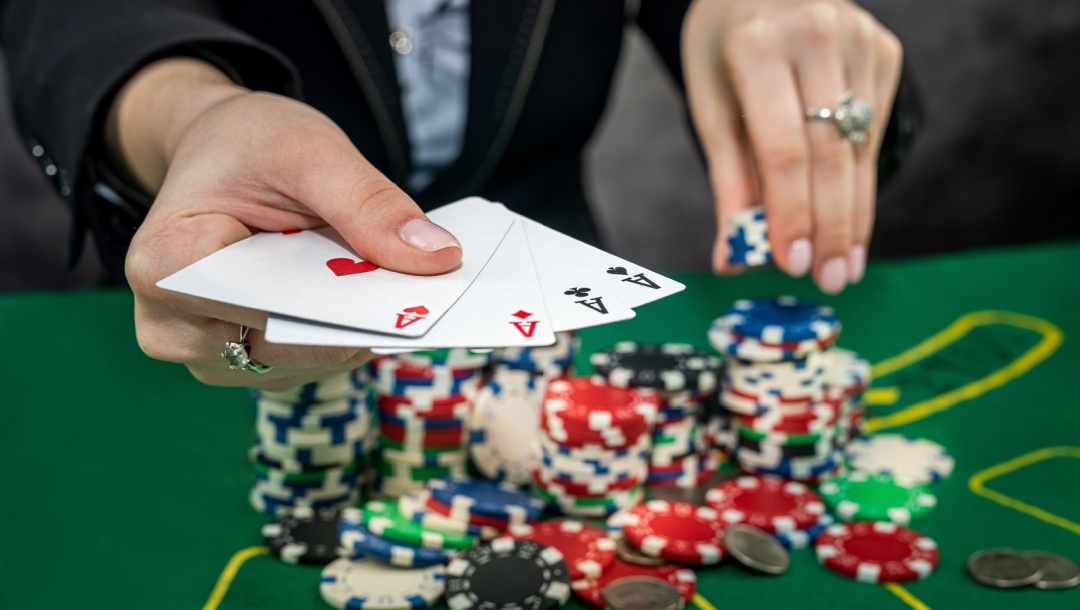
Many gamblers believe they can influence random outcomes. This illusion of control gives players a sense of mastery—whether it’s choosing lucky numbers or using personal “strategies.” In truth, most casino games are structured in favor of the house. Yet, this cognitive bias boosts confidence and enjoyment. Ang tawag diyan sa atin: tiwala sa sariling diskarte—kahit minsan puro tsamba lang.
Risk-Taking and Adrenaline
Taking risks triggers adrenaline and dopamine, making gambling feel like an adventure. This biochemical high can be addictive, especially when rewards are large or come unexpectedly. People naturally crave that emotional spike, particularly in games that involve big jackpots or fast-paced action like poker or sports betting.
Escapism and Social Engagement
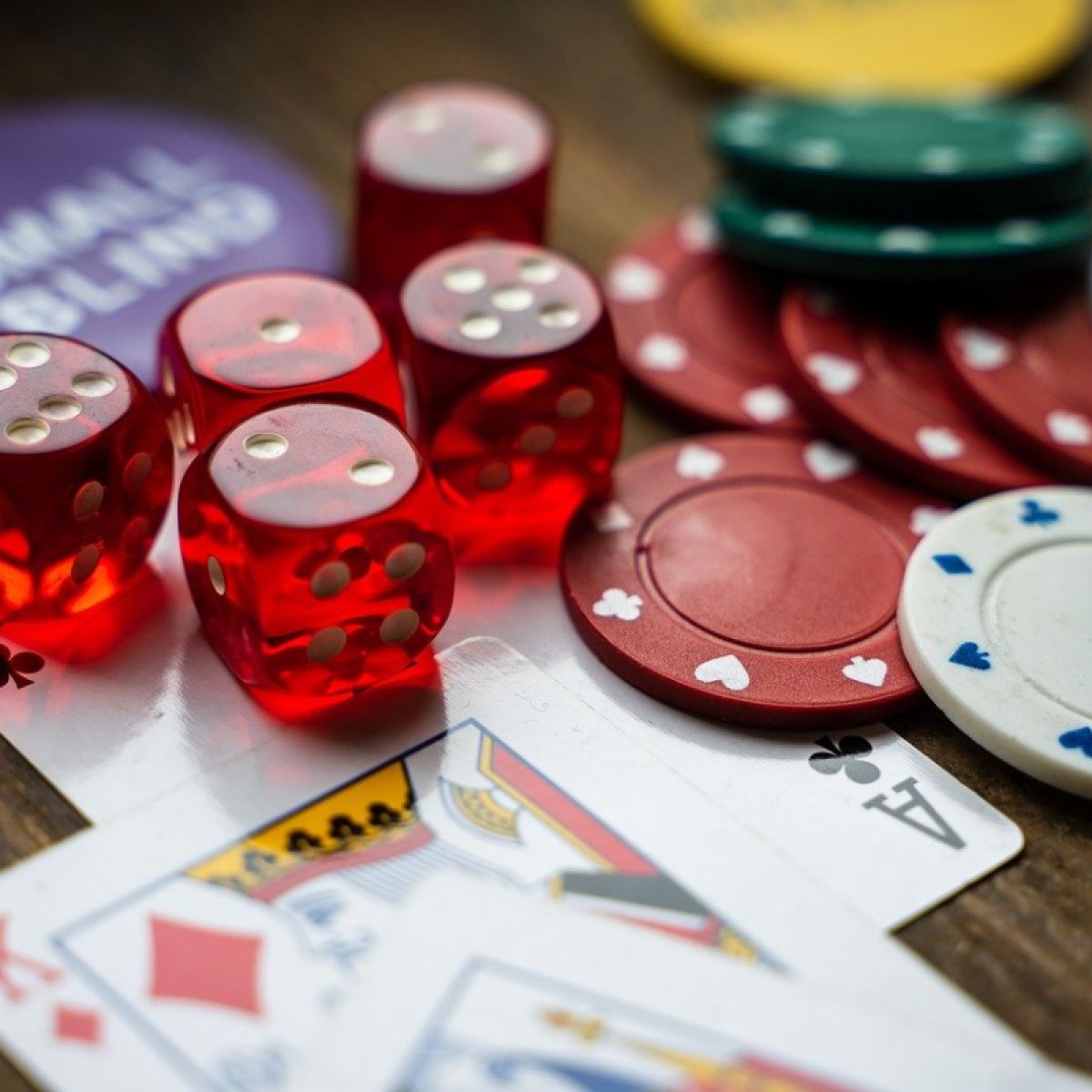
For many, gambling is more than just a game—it’s a form of escapism. Casinos and online platforms offer immersive environments that distract from daily stress. Additionally, games like bingo and poker foster social connections. This communal vibe adds to the overall experience. Para sa iba, ito’y pahinga sa problema, at pagkakataon ding makasama ang tropa.
Evolutionary and Developmental Roots
Even children prefer riskier games with higher rewards. This suggests risk-taking behavior is hardwired in our biology. Evolutionarily, such behavior helped humans learn, adapt, and survive. Modern gambling taps into that same instinct, challenging decision-making skills and reinforcing learned experiences—good or bad.
How to Win (Or At Least Play Smart)
Let’s be honest—most casino games are built to favor the house. That doesn’t mean players can’t enjoy success. Strategic thinking, emotional control, and self-awareness are crucial for turning the odds slightly in your favor. Here’s how savvy players stay ahead:
1. Set Strict Limits
Know your budget and stick to it. Set clear win/loss thresholds before you start playing. Once you hit them, stop. This keeps the experience fun and prevents emotional spending.
2. Avoid Chasing Losses
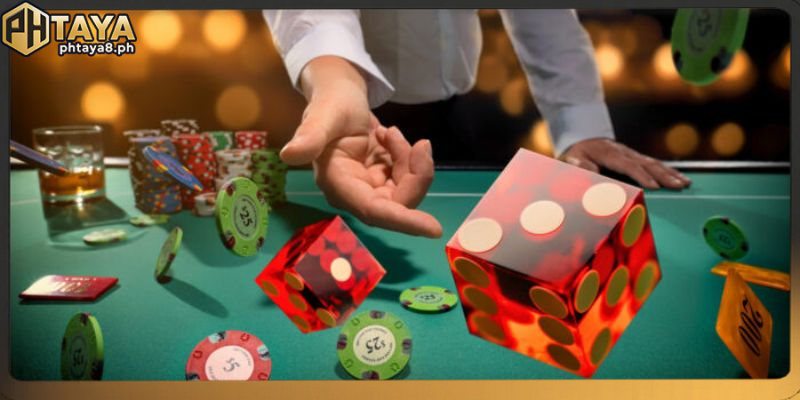
Trying to recover losses often leads to bigger setbacks. Gamblers must accept that losses are part of the game. Stick to your strategy and resist the urge to “get even.”
3. Focus on Skill-Based Games
Games like poker or blackjack offer better chances of success due to their reliance on player decisions. Unlike slots, these games allow you to apply logic, math, and bluffing strategies.
| Game | Chance vs. Skill | Winning Strategy Potential |
|---|---|---|
| Slots | Pure Chance | Low |
| Roulette | Mostly Chance | Moderate |
| Poker | Skill & Strategy | High |
| Blackjack | Skill & Probability | High |
4. Practice Self-Awareness
Know your emotional triggers. If you find yourself getting overly frustrated, excited, or impulsive—take a break. As we say in Filipino, “Utak muna bago puso.” Emotions can cloud judgment and sabotage your strategy.
Expert Insights: What Science Tells Us
Scientific studies confirm that gambling taps into the brain’s reward system. According to Dr. Luke Clark of the University of British Columbia, “The dopamine system doesn’t just react to rewards, but also to the uncertainty of those rewards.” This unpredictability makes gambling uniquely addictive.
Moreover, the American Psychological Association states that cognitive distortions like the “gambler’s fallacy” and the “illusion of control” reinforce repetitive gambling behavior despite mounting losses.
Conclusion: Master the Mind, Enjoy the Game
Gambling is not just a matter of chance—it’s a psychological journey rooted in biology, emotion, and behavior. By understanding what drives us to play and recognizing our own limits, players can transform gambling into a healthy, enjoyable experience.
Whether you’re here for the thrill or the chance to win, remember that knowledge is your best bet. Keep your wits sharp, your heart steady, and your gameplay strategic. Sa dulo ng lahat, ikaw pa rin ang panalo kapag may disiplina.
Ready to Play Smarter?
Join a casino that values your experience as much as your excitement. Explore the full potential of responsible gaming with PHTAYA – Trusted Casino. Play responsibly. Play with confidence.